New Balance
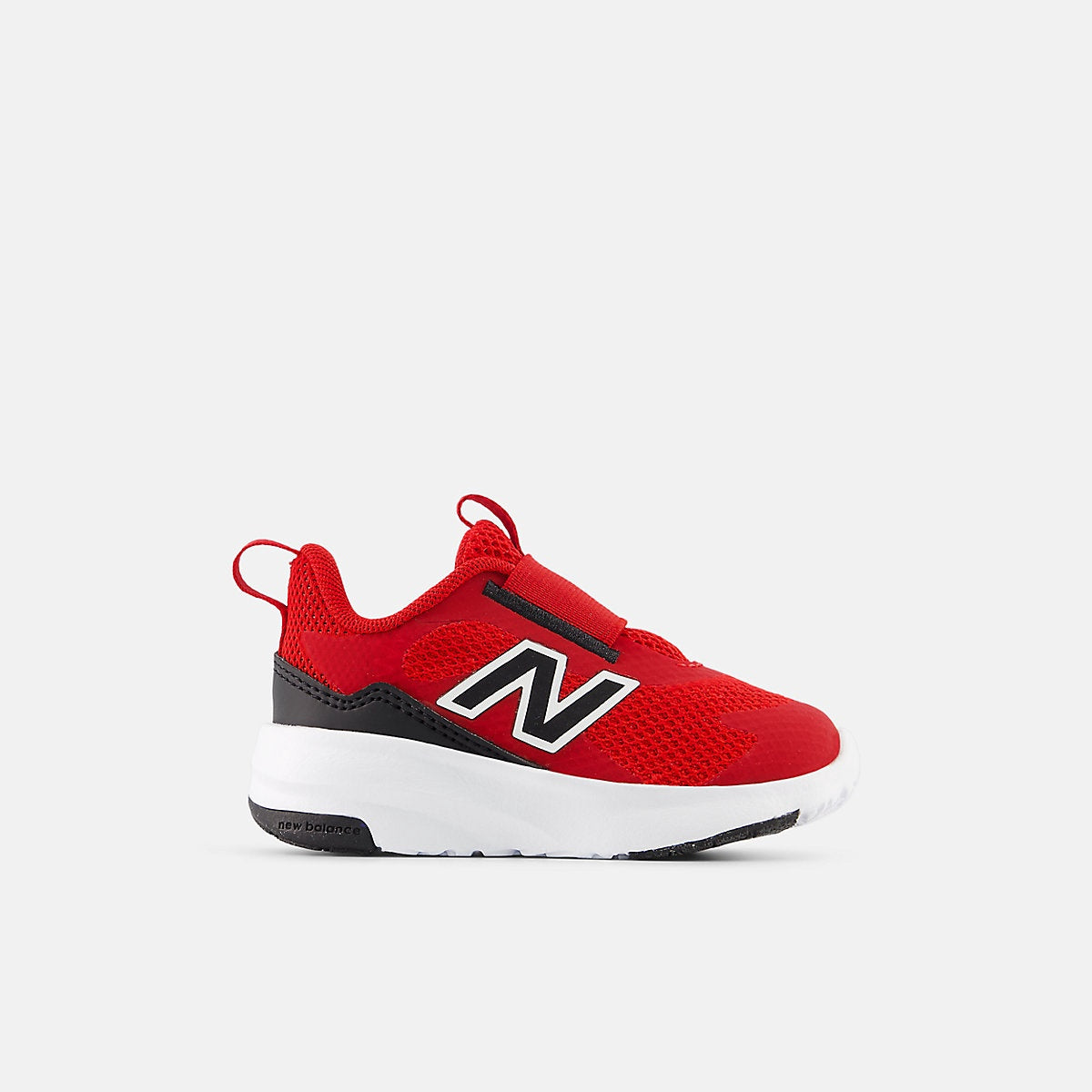
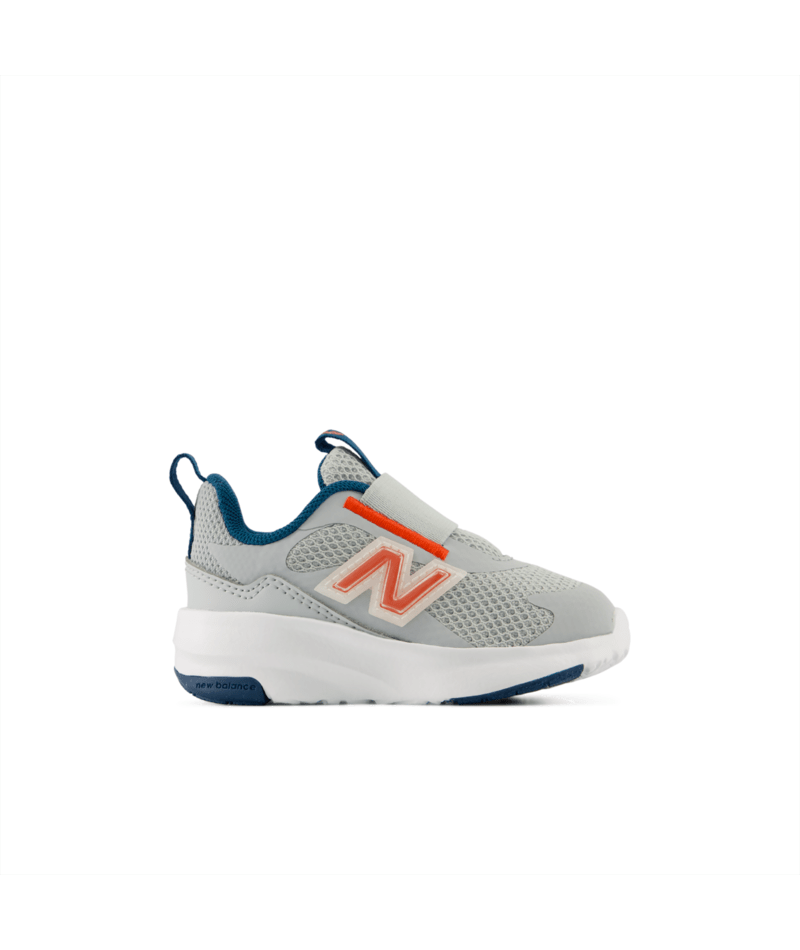
468v1 Slip On (Toddlers)
468v1 Slip On (Toddlers)
Meet the New Balance 468 Slip-On, built for kids who are always on the move. The easy slip-on design with a stretchy gore band means fast, hassle-free on-and-off, while the padded tongue, collar, and pull tabs keep little feet secure and comfortable. Inside, a breathable mesh upper with cotton lining works with a lightweight DynaSoft midsole for plush, responsive cushioning, and durable rubber outsole pods add reliable traction for the playground. At just 4.9 oz, it's an easy, all-day wear for toddlers and little kids alike.

Growing feet, explained.
From first steps to big-kid adventures, we’ll help you make sense of the numbers.
First walkers
Taking those first steps. “First walker” describes a stage of development, not a separate sizing system. Start with their foot measurement, even if their size falls outside the walker range below.
Toddlers
Walking, running, and exploring. US sizes continue upward through the smaller children’s sizes. Some brands add “C” for child or “T” for toddler.
Little kids
The transition through US 12.5, 13, and 13.5 — then into 1Y, 1.5Y, and beyond. A youth size 1 is larger than a child size 13.5.
Big kids
The youth sequence continues upward. This guide groups US 3.5Y–7Y here. “Y” means youth; brand labels for “little kid” and “big kid” can overlap.
A little hop in the numbers.
US children’s sizes go up to 13.5, then start again at 1Y. Euro sizes continue upward instead of restarting.
12 → 12.5 → 13 → 13.5 → 1Y → 1.5Y → 2Y …
Find their stage below for US and Euro conversions. Ages and groupings are a general guide — brands may group sizes differently. Measure their feet rather than choosing by age alone.
Baby 0–12 months
| US size | Euro size |
|---|---|
| 0 | 15 |
| 0.5 | 16 |
| 1 | 16 |
| 1.5 | 17 |
| 2 | 17 |
| 2.5 | 18 |
| 3 | 18 |
| 3.5 | 19 |
| 4 | 19 |
First walkers 12–24 months
| US size | Euro size |
|---|---|
| 4.5 | 20 |
| 5 | 20 |
| 5.5 | 21 |
| 6 | 22 |
| 6.5 | 22 |
| 7 | 23 |
Toddlers 2–4 years
| US size | Euro size |
|---|---|
| 7.5 | 24 |
| 8 | 24 |
| 8.5 | 25 |
| 9 | 25 |
| 9.5 | 26 |
| 10 | 27 |
| 10.5 | 27 |
| 11 | 28 |
| 11.5 | 29 |
| 12 | 30 |
Little kids 4–8 years
| US size | Euro size |
|---|---|
| 12.5 | 30 |
| 13 | 31 |
| 13.5 | 31 |
| 1Y | 32 |
| 1.5Y | 33 |
| 2Y | 33 |
| 2.5Y | 34 |
| 3Y | 34 |
Big kids 8–12 years
| US size | Euro size |
|---|---|
| 3.5Y | 35 |
| 4Y | 36 |
| 4.5Y | 36 |
| 5Y | 37 |
| 5.5Y | 37 |
| 6Y | 38 |
| 6.5Y | 38 |
| 7Y | 39 |
Conversions are approximate and may vary by brand and style. “Y” means youth. Not every shoe is available in every size.
No two feet are alike. Let’s measure both.
At-home sizing card (PDF)- Print the card on US Letter paper at 100% / Actual Size. Skip “Fit to page.”
- Check the calibration square with a ruler: it should measure 2 inches (50.8 mm) in both directions.
- Follow the heel-fold instructions. Measure both feet barefoot while standing, record the longer measurement, and don’t add growing room.
Need a hand? Hop by our Buckhead store. Our footwear specialists will help with a custom fitting.
Put a little hop in their step.
Couldn't load pickup availability